
4 Ways To Stimulate Your Child’s Development

Did you know that a child starts learning right from the womb.
Yes, you read it right. Learning begins in the womb. Prenates can see, hear, feel, remember, taste and think. The fetal learning capabilities are much more specific than we thought.
I am a new mom of 2-year-old twins and it is only after becoming a mother that I realised this. I had heard about it before as well but never believed it but as is the saying, “See it to believe it”. And, I did.
As a pregnant woman, you are not just an incubator, but you can be a powerful and positive influence on your baby even before it is born.
By 2-3 years, an infant’s brain has about 200 trillion nerve cell connections(synapses), which is twice the number of an adults. The learning experiences of the child determine which connections are developed and which will no longer function.
here are four domains of development –
Infancy | Early Childhood | Middle childhood | Later Childhood |
Science shows that life is a story for which the beginning sets the tone. That makes the early years of childhood a time of great opportunity, but also great risk.
Children’s brains are built, moment by moment, as they interact with their environments. In the first few years of life, more than one million neural connections are formed each second – a pace never repeated again. The quality of a child’s early experiences makes a critical difference as their brains develop, providing either strong or weak foundations for learning, health and behaviour throughout life.
In the first few years of life, more than one million neural connections are formed each second – a pace never repeated again.
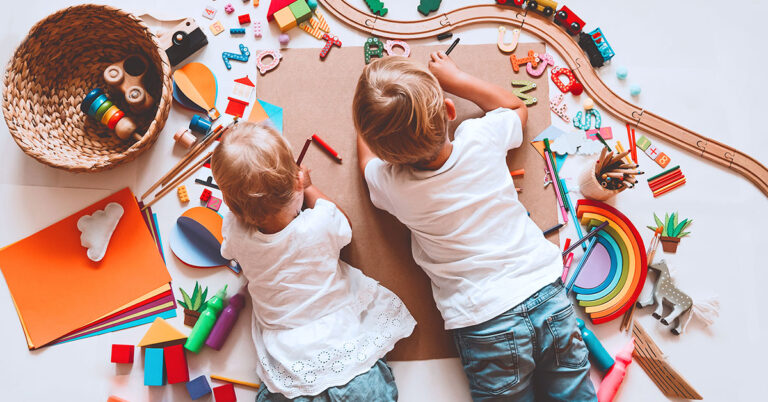
Early childhood offers a critical window of opportunity to shape the trajectory of a child’s holistic development and build a foundation for their future.
And this is why I thought of starting this Blog chain to help other parents with the development of their child without putting pressure on them as parents and as children. I want my knowledge, research and experience to put in use for those who have just started their journey of parenthood or already a parent but have a lot of unanswered questions.
Children develop at different rates, so while one child may be walking at nine months, another may not walk until they are two years old. However, no matter the age at which a child finally gets the hang of it, there’s no disputing that children grow very rapidly. Their brains are like sponges, and they grow exponentially in the first few years of life. Physical and mental changes occur from birth through late childhood and adolescence, although they occur less rapidly at the later stages. Every child is born creative, it is for us to understand their ability and help them bring out their capabilities in the best possible way.
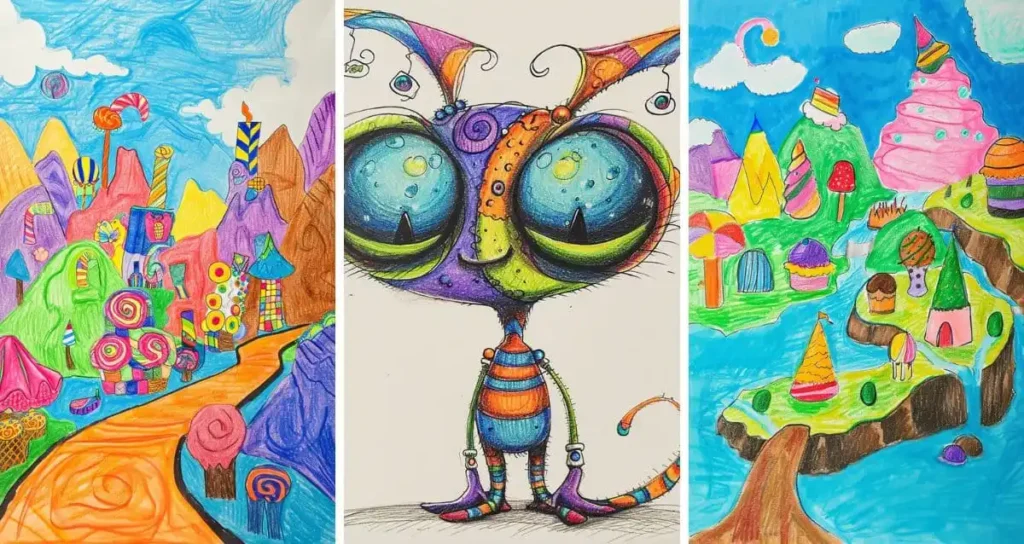
Causes of creative child
- Confidence: The ability to question without fear
- Observation: Seeing problems and ideas
- Humility: Knowing that you don’t know anything
- Mindfulness: Thinking on how to think
- Curiosity: Exploring and experimenting
Signs of Creativity
- The ability to create original and imaginative ideas
- A heightened sense of awareness.
- Curious and impulsive nature
- Fast learners with good memory
- Innovators and good problem solvers
These are the few causes and signs of creativity that we as a parent wants in our child to excel at, but,
what do we do to attain it?
How do we do?
Do we make them study hard since very beginning?
Do we give them lots and lots of book to read even when they can’t even read?
Do we give the moral lessons even before they start talking?
The answer to all of this is NO,
WE PLAY
An effective and fun way to stimulate a child’s development is through play-based learning. Children naturally enjoy engaging in fun activities like playing games, singing songs, building with blocks. What they may not realise is that while having, they are learning valuable skills. Research has proved that while engaging kids in play-based learning, they are actually learning a lot more valuable skills and academics with strengthening their basic concept of everything.
1. Play Games
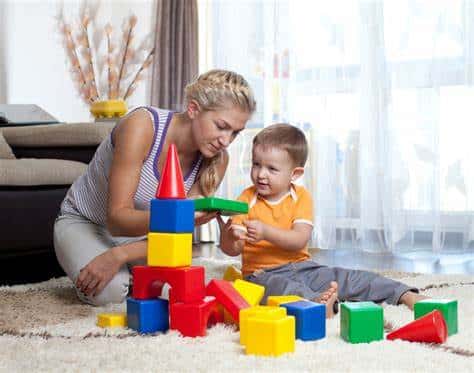
Playing games teaches children many valuable skills, including turn- taking and following directions. Some of the most beneficial games require children to use their hand-eye coordination. They also discover how to physically interact with the world around them including their peers. As a bonus, activities like puppets also build communication and language skills with adults.
2. Enjoy the Art

Creative art play develops cognitive, motor and social abilities in children. Drawing with crayons, finger painting on canvas and modelling with clay teach children a healthy respect for the arts whilst stimulating their brains. Arts help children:
- Build their independence
- Develop fine motor skills
- Learn about primary and secondary colours
- Make decisions
- Use their imaginations
Not only drawing and painting but dance and music equally help children to practice self-expression which is essential for growing self-confidence. Music can also enhance attention, concentration, language and math skills.
3. Learn A 2nd Language
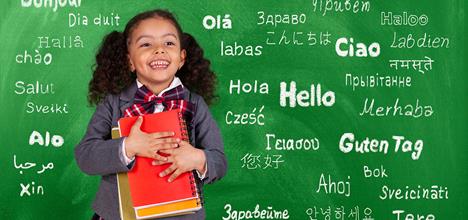
Research shows that learning a second language boosts problem-solving, critical-thinking, and listening skills, in addition to improving memory, concentration, and the ability to multitask. Children proficient in other languages also show signs of enhanced creativity and mental flexibility.
Toddlers are usually only starting to speak, so a new language will come quite naturally. You could actually switch to your second language exclusively immediately if you are comfortable with it. Although there might be the initial shock, toddlers are quite adaptable and may welcome the change. To break the ice start singing songs to your toddler in your second language. Young children love to sing, and are usually able to pick up new words and phrases before they even start speaking sentences.
There is no doubt that the earlier you introduce a new language to your child, the easier it will be for them to pick it up and become fluent. This also helps in picking up any language faster than others anytime later in their lives.
4. Go On Day Trips
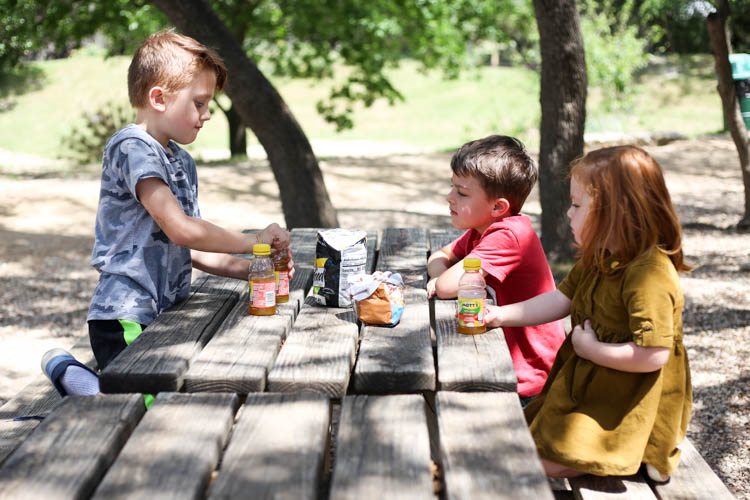
Who doesn’t enjoy a good adventure? Children especially love exploring their surroundings, including local attractions like aquarium, museums, zoos, parks etc. Even daily trips to park can have the positive effect on brain. Outdoor activities play a vital role in brain stimulating for young minds. Some scientists go as far as to call it SUPERFOOD for young minds.
Now before I sign off, I want to only say that embrace the power of play-based learning for your child. Offer them both child led and open-ended play opportunities that encourages your little ones with the objects and the people in the environment. Introduce different play spaces to your child that includes sand and water tables that spark your child’s creativity as creative minds embrace flexibility which can be an immense tool for problem solving.
Summary
✅ Short, Catchy & Uplifting
In the end, it’s the little moments that make the biggest impact. With a bit of intention, play, and connection, you can spark your child’s growth in ways that last a lifetime.
✅ Reassuring & Motivating
Supporting your child’s early development doesn’t require perfection — just consistent love, curiosity, and meaningful activities. Every small effort today builds a stronger tomorrow.
✅ Inspiring & Encouraging
Your child’s early years are a window of incredible potential. By engaging, playing, and connecting with them daily, you’re not just helping them grow — you’re helping them thrive.
✅ Warm, Parent-Focused
Early development is a journey you and your child take together. With simple, everyday interactions, you can nurture their confidence, creativity, and lifelong learning.
✅ Premium & Thoughtful Tone
From playful moments to mindful stimulation, each experience contributes to your child’s foundation for the future. Your presence and involvement are the true catalysts for their early growth.